Showing posts with label Secret History. Show all posts

Saturday, May 26, 2018

Secret History: 1979

Welcome to another - and long overdue - edition of Secret History, this time for 1979.

My last one was for 1979 about five years ago. I kinda slacked off, because I was concerned that I was getting too close to the present. (wtf?)

So it’s back, and I’m less sure than ever there’s anything secret about it.

The punk big bang happened in 1977 and the asteroid chunks were still flying around. Everything seemed possible at the time, like 1968 compared to 1967. What could go wrong, right?

While 1978 was a year of consolidation 1979 was a kind of where do we go from here? year. And not all of the directions hinted at really panned out.

We ended up with a lot of great music but it was spread out over too many records. So there were not as many flat-out great albums but a lot of really good ones.

Hey, what do you want? Humans were involved.


The Roches

The first song is so cute I wouldn't blame you for wanting to smash the record into a hundred small pieces. But the rest is so beautiful you end up feeling bad and love it anyway. I’ve been waiting 36 years for Mrs. Jaybee to get past that first song though, so I’m not providing her grade. A


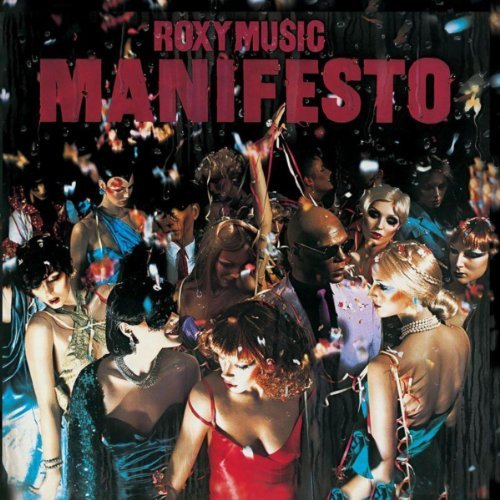
Roxy Music: Manifesto 

With Eno now long gone, RM keeps getting more and more normal, and thus, less powerful. But more fun, too. A-


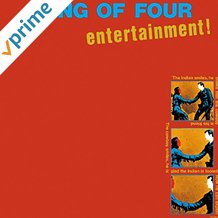
Gang of Four: Entertainment!

Not much fun here, but pile-driver rhythms, angry politics, and almost disembodied voices. Their best. A


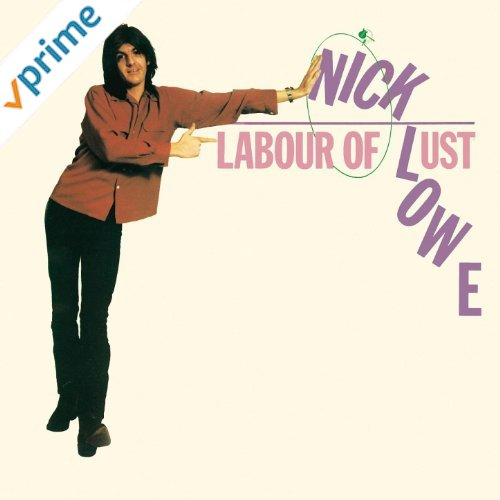
Nick Lowe: Labour of Lust

But fun is important. Good old modern ironic pop music, even if old Nick now swears he was playing it straight the whole time. A-


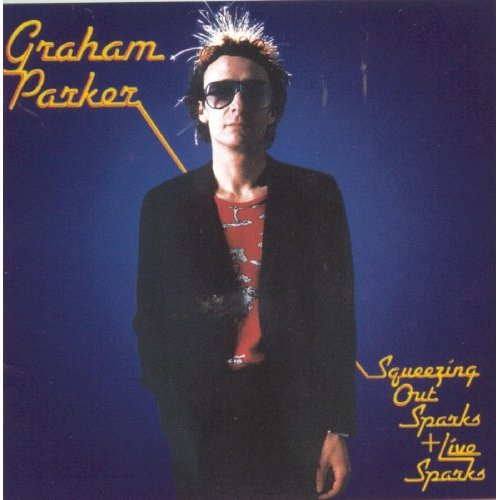
Graham Parker: Squeezing Out Sparks

I once had the pleasure of hearing this played in its entirety on a beach in the Hamptons, where it pissed off all the right people. What better recommendation can I offer? So intense that it might be better than Heat Treatment or Howlin' Wind.  What?  No way. Way! A


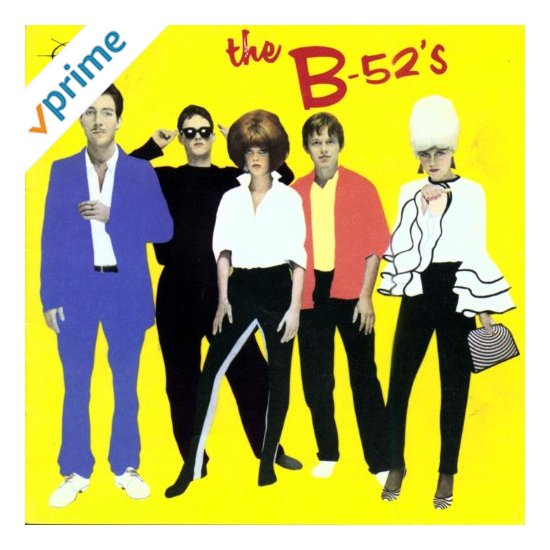
The B-52s

If “52 Girls” is one of the high points of the years, “Dance This Mess Around” is one of the high points of my life, except that (or maybe because) it also clears the room. I recently got into an argument with someone on Facebook about this record. (Someone may have called someone else a Nazi… But that’s not important.) This is one of the most delightfully weird records ever. Who wants rock n' roll to be normal, anyway? And when you get past all that, Kate and Cindi sing great, and the guitar and bass really rock.  A-


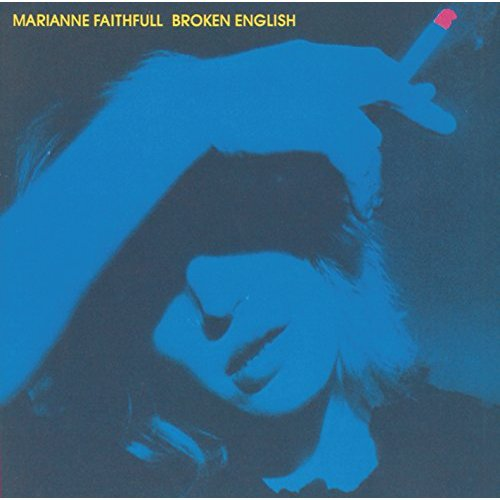
Marianne Faithfull: Broken English

“Guilt” was stunning on SNL, so actually listening to the album is a slight let down.

She barely survived the sixties and she’s here to tell you about it. And by the way “now” is not so hot, either. The subject matter was risque for the time, but the music is actually a bit slick.  But that voice cuts right through it.  A-


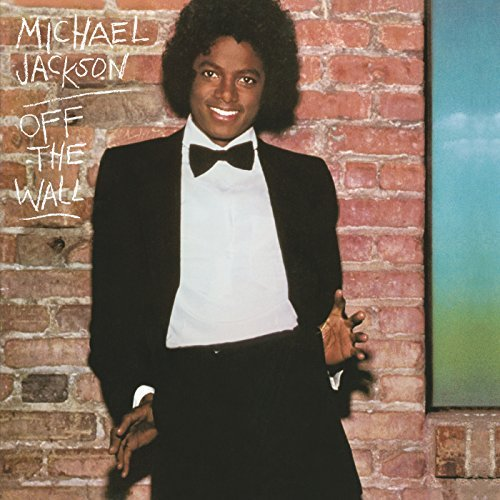
Michael Jackson: Off the Wall

With rock n' roll revitalized, it would have been easy for me to continue to ignore music by African Americans. I needed this one to remind me that there were other types of vital music that didn’t involve an electric guitar. This is Michael as I like to remember him. From my limited perspective, one of the greatest R&B albums ever. A


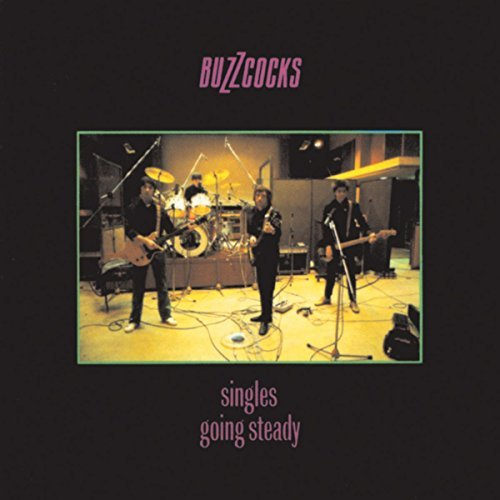
Buzzcocks: Singles Going Steady

This being a collection of their first eight singles (all the side As on side one of the album and all the side Bs on side 2), it could be considered a bit of a cheat, but surely it’s one of the best records of the era. A


I purposely omitted some records, like Rust Never Sleeps, because it's too fucking obvious (it's supposed to be a secret history, remember?), and others like Fear of Music, Breakfast in America and Damn the Torpedos because they’re overrated. (Sorry Tom!).

Now, looking at the above I wonder what my reservations about this year were exactly. Probably the stuff I left out.

My next Secret History will be the first step into that hellscape that is the 1980s...


Sunday, June 23, 2013

Secret History: 1978

Although 1977 is more important for music, 1978 is more important for me (although I had to get 1977 out of my system first), because this was when I began to notice.


It all started with Talking Heads More Songs About Buildings and Food. Not the first punk album ever. Just my first. When I first heard the spare “Take Me to the River” (Stupid me, not knowing much about Al Green, I thought they wrote it) on the radio, it was such a relief from all the overproduced crud clogging up the airwaves at the time. And I thought the name was kind of cool, too.


My first listen consisted of me holding onto four little islands of brilliance - “Thank You For Sending Me An Angel” (one of the all time great album openers), “Good Thing”, “Take Me” and “The Big Country” - amid a sea of weirdness. “Found a Job” was the strangest of all, sitting there at the end of side one as if to say well what did you think of that? and You ain’t seen nothing yet! .  


On each new listen another gem would reveal itself. It took about a week for it all to kick in.. By then, “Found a Job” had gotten into my DNA..


More Songs... was the only one of these records I’d actually get that year.  The rest would have to come later.  I guess I needed a rest.


Remember when Elvis Costello was so angry? This Year's Model captures it perfectly. His shortest, bitterest and maybe best album.


Parallel Lines by Blondie is THE pop album of the era.  


The Vibrators Pure Mania doesn’t hold up as well as some other records, but it’s got a lot of vroom still in it.


The Ramones Road to Ruin is the perfect balance of the Ramones punk style and tuneful accessibility.


Give Em Enough Rope is no one's favorite Clash album, but that doesn't make it bad, does it?
"Last Gang in Town"


Neil Young - Comes A Time
Hands down the most beautiful Neil Young album (Harvest? Please!), coming out at a point when people weren’t sure he was up to it anymore.  Well, the first time they thought that.


Looking at my list, I don’t see anything very surprising or original. So maybe it’s not much of a secret history, is it?  These are the obvious new wave albums for the time.  What worries me is what I’m forgetting from the non punk side of the road.  


But by then, I’d made a decisive turn and, unlike Neil Young, for me there was no going back.


Well, for a while anyway."

Sunday, June 10, 2012

Secret History: 1977

This may ultimately be the most important year of all, because things were happening and a lot of us were doing our best to deny it.  

Sadly, it’s the year when listeners were presented with a choice, but had long before already made the wrong one. Conditioned by increasingly diluted AOR-type rock music, but then suddenly confronted with punk - on the news instead of the radio - what was the average listener to do, but double down on some very lame music? Hence the complaints in letters to Rolling Stone about songs where “you couldn’t hear the words”, etc.

I was no better. I loved “rock music” and wished that it would get the respect it deserved.  So I wanted it to be serious, and found the, well, glamorous surface of glam rock and spectacle of arena rock excess a bit depressing.

On the one hand commercial success indicated a wider acceptance of rock music.  But sometimes it felt….icky.  Like when I saw Al Stewart on “In Concert” with a full orchestra.  And country rock bands accepting Grammys and American Music Awards wearing tuxes.

The whole point of the music is to not be respectable, and it was finally driven home to me at the time while in a village record store. As leather clad cashier was wearing a button that said “Help Keep Rock and Roll Sleazy”. (He was doing his part.) That was when I knew I was sitting on a fence that would have to collapse at some point.

I have an almost visceral reaction to the records I bought that year – not because they somehow changed my life - but because they didn’t, and as such represent a breaking off point.  The Before of the Before and After.  

I didn’t pick up on the records released this year until at least 1980. But in retrospect. It turns out to have been a hell of a year, with more to come after.

Well, of course, there's the Sex Pistols Never Mind the Bollocks.  You either take this road or you don't.  Well, I took it and I'm glad. This is some of the most powerful rock and roll ever made. And no, I have no love for Sid. I’m a Glen Matlock guy, no matter what John Lydon thinks.  Those tunes didn’t come from outer space. But it was Johnny’s snarl that put them over.

Television’s Marquee Moon has lots of guitar on it.  And lots of solos.  So in that way it’s not punk music at all.  As a matter of fact, it's the perfect record for bridging punk and jam music.  It's got all the speed, passion and harshness of punk, but with all the virtuosity of the Dead or the Allman Brothers. At least me and Roommate Mike thought so... 


By 1977 the Ramones had already made a lot of waves and had become the target of  ridicule from disc jockeys.  So just how did their seemingly simplistic formula result in a brilliant third album Rocket to Russia? I don’t know either. One of the greatest punk albums ever with classics such as  “Rockaway Beach”, “Sheena Is a Punk Rocker”, and, my favorite “We're a Happy Family” ("Daddy likes men…")

I'm putting The Clash here because this is when the UK version came out, which I'm not totally familiar with.  In 1979 the American version would be released, which would contain much of the UK version, along with a number of singles they released since then.  I'm happy with the US version because there's so much on it.  Being a punk record, its sound isn't that great, but it contains some of the greatest rock songs ever, including what might be my favorite – “Complete Control”.

How can a record be punk and still be pretty? Because punk is an ethos not a genre. Anyway, aside from the occasionally weird hiccups in David Byrne's singing, and odd subject matter, Talking Heads 77  is very sweet. Especially "Psychokiller". jk

I was never one for cults, though, so don’t get the idea that once I fell for punk music, I’d never like anything else.

Back when I was even whiter teenager , I bought records by singer songwriter or the above-mentioned Allmans and Dead.  But while in the record store I couldn't help but notice the flamboyant record covers of bands like Funkadelic and Parliament.  Of course, I was a snob, and assumed such covers were needed to hide crappy music.

Little did I realize that Funkadelic was quite an ambitious outfit, with a damned good guitar player (the recently deceased Gary Shider). My first plunge was One Nation Under a Groove that has the greatest opening five seconds of any record ever recorded, but which then makes its way into the classic funk music of the era.  It's a bit more confident and sure of itself than I'm comfortable with, so I went back to Best of the Early Years, an early greatest hits record, which has more in common with the hard rock and Sly Stone records I was happy with.  An alien (to me) universe every bit as valid as the one I was inhabiting at the time.

Rough Mix is a misleading title.  It may be fun, but it's also pretty tight.  Pete Townsend joins up with Ronnie Lane (from the Small Faces).  They also have some friends join them, like Eric Clapton.  And against all expectations – they were all in decline by then - the result is wonderful.   “Heart to Hang Onto” is my favorite, but not by much.

If you find “Heroes” a bit harsh, so you might prefer David Bowie’s Low, which is  experimental and catchy at the same time. Great on vinyl, since the two sides are so different.  Side one for parties, and side two for late at night.

Just around the demise of Elvis I, the new one - Costello, that is - arises. You can fault My Aim is True for an dull production and sameness of some songs, but that’s about it.  This is the beginning of an explosion of songwriting (the best since 1970?) that would last for years.

“Being German” and “being into electronic music” aren’t the first two things I’d look for in a band, and Kraftwerk looked like a bunch of robots with all the soullessness that it implies.  But that's clearly untrue within the first minute Trans Europe Express. Sounds great in the summertime, of all things.

I’ll finish up with a record that is almost forgotten now. Karla Bonoff is a guilty pleasure. It’s  the epitome of LA studio hotshot smoothery.  Her voice resembles Linda Rondstadt, who actually did a few of these songs, too.  It's very middle of the road, and perhaps because it brings back some great memories I'm going easy on it.  Karla can really write a tune.  The one 1977 record I actually bought that year that’s worth remembering.

It’s embarrassing to admit how clueless I was about the things that would end up having such lasting value. But the next few years would be thrilling as I slowly caught up. In 1977, my musical world was cracked in half and I didn't even know it.

Sunday, February 26, 2012

Secret History: 1976

If you ask me about 1975, I can tell you a hundred different great things that happened (and some that didn’t, since I put the Ramones, Eno and the Wild Tchapatoulas there instead of here where they belonged). When you ask me about 1976 I’m likely to give you a blank stare.

It was kind of a crappy year. Punk hadn’t quite exploded yet, Steely Dan and Dylan had peaked the year before, and singer songwriters were getting positively annoying.

So where did that leave us?


Rock and Roll:

Well, there was Graham Parker. Jaybee Sister One is a big fan who by now could run circles around me regarding Parker's later career. My preference is for his earliest stuff, which somehow got mixed up with/lost amongst punk. He also lost a close election that year for Angriest Young Man to Elvis Costello.

It's too bad because he's not a punk at all. He comes out of the English pub rock tradition and has an approach very similar to Bruce Springsteen. His first record, Howlin Wind is a bit more soulful, with horns being pretty prominent. His second, Heat Treatment pushed the guitar and organ up front. The production is clearer too, so even though it's only got ten songs, I prefer it to Howlin’ Wind. But both are great.

Jonathan Richman has had a long strange career, but The Modern Lovers is where it all starts. This is the one with “Roadrunner”, one of the all time great rock and roll songs. Also, he rhymes Picasso with asshole. You won't find that in a Rhyming Dictionary.


Songs:

I'd like to say that Have Moicy! by Michael Hurley, The Unholy Modal Rounders and Jeffrey Fredericks and the Clamtones (whew!) is simply a bunch of great songs. But I'd be a liar if I left out all the twists and turns, like Peter Stampfel's funny voice and the human digestive tract as subject matter. But I’ll take it over The Pretender any day. I made a point of buying this record when some idiot radio DJ criticized Robert Christgau’s “Best of the 70s” choices, singling this out because she never heard of it. This same idiot DJ (Carol Miller, actually) is still playing the same lame classic rock songs, doing her part to make sure you never hear anything interesting ever again.

Don't hate Kate and Anna Mcgarrigle just because every critic on earth loves them. You really can't blame them because their first record is one of the great singer-songwriter records of the decade. Take that James Taylor, Jackson Browne, etc.

Almost as good is Warren Zevon’s first record - another in the ongoing Chronicles of Albums Jaybee's Brother hated. “Poor Poor Pitiful Me” is a great rock and roll song (and a ding to the abovementioned singer-songwriters to boot) done a disservice by Linda Rondstadt. The real version is here.


Pop:

David Bowie was always at least one step everyone (and two ahead of me) but on Station to Station he makes it easy to like him. No obvious androgyny to make male teens like me uncomfortable. No fey/fake soul music. Just pop. “TVC15” is one of his best ever.


Guilty Pleasure:

Turnstiles is probably my favorite Billy Joel record. He’s not quite a superstar yet, but he’s coming back home anyway. It’s easy to hate the guy, and sometimes I do. I prefer guitars to pianos and strings, but below all that bs, I think his heart’s in the right place. And for a time he was the greatest pop melodist since Paul McCartney.


Wait'll Next Year:

So, my faulty memory makes it kind of a sucky year. My fact checking proves that it wasn’t so bad. But hold onto your hats. The times, as they say, were a-changin’.

Sunday, October 30, 2011

Secret History: 1975

What was the world at large listening to during 1975? Dylan, of course. Springsteen, or course. Me, too. I had a mixtape made up mostly of just the two of them. I played it during one of my senior class trips, which tried the patience of a classmate, who wanted to put on “Disco Tex and His Sex-o-lettes”. He’d have his revenge in a year or two.


But what was the year like? It’s hard to objectively say since so much seemed to happen to me. There was heartbreak, high school graduation, getting a driver’s license. I guess the normal stuff associated with turning 18.


Some memories: It’s January, and I’m trying to study for the regents, but the radio plays “Blood on the Tracks” all the way through. It’s the first time I’m hearing it. Then June, at the beach during another class trip, I hear “Born to Run” for the first time. Then hearing Springsteen live from the Bottom Line. Buying “The Basement Tapes”. Yeah, they pretty much owned the year.


But there were other records, too, and many that would become my all time favorites:


Well, there’s Neil Young’s “Tonight’s the Night”, but I already go on about that record far too much.


Then there’s “Siren”, by Roxy Music, where Bryan Ferry seemed to get the last laugh on Brian Eno, by making this not very weird pop record. It’s a great expression of his romanticism, and doesn't skimp on guitar either. “Love is the Drug“ is the "hit" but there are plenty of others that are just as good.


But, of course, Brian Eno is doing just fine, and “Another Green World” is another all time favorite. It's just too difficult to explain.


"Katy Lied" is probably my favorite Steely Dan album. It's got “Doctor Wu”, “Any World I'm Welcome To” and several other very emotional songs from a band that would normally be snickering.


“The Basement Tapes” by Bob Dylan and the Band, is probably the most consistent double album ever made. I can still listen to it all the way through without stopping. A lot of people just don't get it, but it's the perfect distillation of Dylan and Band at one time. So what if the sound is lousy? Just pretend you're listening to it on your old Victrola.


And here are a few records that I missed at the time, but I’ve been trying to make it up to ever since:


Newly minted respected author and photographer Patti Smith could actually get her first album “Horses” played on the radio back then, even though her band were proto-punks, and she wasn’t the greatest singer. In a normal year, she would have been called on all the hype she got, but remember this was the year of the Boss on the cover of Time and Newsweek. She risked looking ridiculous waxing poetic about “boney maroni”. But if you ask me, she holds up better than Genesis.


I couldn’t say if “Natty Dread” is Bob Marley’s best album or not, but it seems to be as good a place to start as any. The production is warm and intimate. It’s rousing and soothing at the same time. “Lively Up Yourself” is just wonderful.


Nils Lofgren had a few lives before becoming an E streeter, one as the leader of the band Grin, who I'll have to sample before I die. Then there was a short stint with Crazy Horse, and doing sessions with people like Neil Young. But he was also a solo artist. He's put out several records, but I've been told that his first is the keeper, and I believe it.


Nils runs through some high strung pop and rock. He's a really sharp guitarist with his own distinctive style. His songwriting is very tight, too. Highlights include “Back It Up”, Carole King's “Going Back”, and “Keith (yes that Keith) Don't Go”. To Toronto, that is, where our favorite rock and roller was in a bit of a spot with the police. My brother hates this record.


The Ramones first album might seem like a gaunlet being thrown down, but it's more of a beer can being squirted in your face. The suds get in your ears so the great production values ($6,000 worth!) are somewhat muffled. No sensitive singer, no guitar solos, can you blame me for hating them on principal? Plus, there was so much other great music going on that I didn’t realize that it was all dying. So I didn't get around to even trying them out until 1979.


Dolly Parton managed to put together another “Best of”, and it’d only been five years since the last one. This one’s just as good, too. Beautiful voice, great songwriting.


If you knew nothing of New Orleans – and I didn’t at the time – you could look at the cover of the “Wild Tchoupitoulas” and feel like you were getting Native American music. As it turns out, you’re merely seeing the band decked out in ceremonial garb for Mardi Gras. And the music inside is as simple and fun as any you’re likely to hear. This is a great place to start to learn about New Orleans music. Not for snobs, though.


Which narrative do you believe about Keith Jarrett? The one that says he's hardly a jazz musician at all? Or that he completely clears his mind of any musical thoughts before a concert, and does pure improvisation? “The Koln Concert” is a great way to make up your mind. Sixty five minute of just Keith playing his piano. The sound is amazing.


Whatever else it was, 1975 was also the beginning of the end for what would later be known as classic rock. Anything else that was good was being forced further out onto the fringes, only to come back and haunt good old rock and roll for years to come.


And like I said, although it isn’t thought of as a great year for music, I still considered it one of the best. But I’m open to the possibility that for once life made music better rather than the other way around.

Sunday, September 18, 2011

Secret History: 1974

My doubts about the mainstream are only growing by now. Good music is officially “hard to find”, at least for me, a seventeen year old. By which I mean I can no longer simply turn the radio on and expect to hear something I really like.

Forget AM radio. Never being fond of brass or strings, I only liked Motown from a distance. So I missed out on the pleasures of much ‘70s soul.

And FM? I could get by but not without constantly changing the station. So there’s very little below that I actually heard there and enjoyed at the time. So with very few exceptions, it would only be later that I’d find the records below.


The following, is more or less in descending order of quality:

The one true masterpiece is Richard and Linda Thompson’s “I Want To See The Bright Lights Tonight” which reminds me of the first Paul Simon album - simple arrangements and great songs. But Richard's also got his guitar and wife Linda singing along, making this one of the very best of the decade.

Randy Newman seemed to be on a mission to piss off the world - something he wouldn't quite accomplish until a few years later with "Short People". He started with his very weird first solo record, moved onto “Twelve Songs”, where phrases like “yellow man” and “darkies” popped up all over the place. “Sail Away” was a bit of a relief, but on “Good Old Boys”, he goes all out with the strings and tells stories of the American South, now using the N word.

What Randy's got going for him, though, is brilliant songwriting. "Marie" is one of the greatest love songs ever (but only when sung by Randy himself). “Louisiana 1928” would be merely moving if it didn't also remind you of Louisiana 2005. This one's my favorite by him.

If you like to read about music, you’ve already heard about Big Star’s “Radio City”. So all I’m going to say is that what you’ve heard is true. On first listen you might not think much of it because the Beatles were better. Just remember that the Beatles were better than everybody.

“Feats Don't Fail Me Now” was the Little Feat album that made me a fan. Little Feat remind me of beer – the first one you have is always the best.

I'm still waiting for someone to turn “Between Today and Yesterday” into a Broadway musical. Alan Price proves that he's got it with this take on his childhood in the coal towns of England. There are moments on this record that elicit such an emotional response in me (something that I’ll explain at a later time) that I am certain most people will think I'm nuts. I’d like a second opinion.

Neil Young was well into his blue period by now, and people (including me) were beginning to wonder about him, but only after first actually purchasing his records. At first, I was disappointed by “On the Beach”. Side one could be better. I heard a better “See the Sky About to Rain” on a live bootleg with just Neil on the piano. And “Vampire Blues” just isn't funny enough. Ah, but side two! This isn't mood music. It's trance music. And it probably sent most people scurrying back to side one. But it was where I wanted to live. “Motion Pictures” is one of his great depressing songs, but it's the finale "Ambulance Blues" that’s a masterpiece. You're all just pissin in the wind….

I've come to distrust those albums with too serious a theme. But Al Stewart is very likable, so his take on history - “Past Present and Future” - is enjoyable anyway. And like me, you don’t have to believe the Nostradamus stuff to love the last song. This one’s just before Al hits the big time.

You’d think a white British guy trying to sing New Orleans-style and basically stealing Little Feat’s sound, would piss me off a little more. But Robert Palmer’s “Sneakin Sally Through the Alley” ends up sounding better than it sounds, maybe because he used Little Feat as his band. This one bought him a lot of good will from me. And it would only be when he started wearing a suit that I began to find him unbearable.

Most Billy Joel fans love “Turnstiles” or “The Stranger” the best. But don’t overlook “Streetlife Serenader”. It’s a little calmer than his major label debut, and less supercilious (it’s really a word, I swear. Someone called me it once.) There’s some filler on it, but the ones that aren’t, like “Roberta” are quietly wonderful.


And although the following records technically came out in 1973, I’m putting them into 1974, because the artists had already released something else in ’73. That, and ‘cause I felt like it:
It took until “Europe 72” for me to like the Grateful Dead. I then went back to rehear what I had been missing. So the subsequent “Bear’s Choice” almost slipped through the cracks. Plus, I preferred their harmonies to Pigpen’s blues. But side one is gentle and side two is almost hypnotic. Thank you, Pigpen!

One of the highlights of my musical life was that Saturday morning in my room doing homework when I first heard “Incident on 52nd St”. Another was that Sunday afternoon, again in my room, hearing “Rosalita” followed by “NYC Serenade”. I would have sworn that Bruce Springsteen was black or Puerto Rican. I found his mix of rock and roll, latin horns, semi-soul music, and female background choruses intoxicating. Then, when I actually bought “The Wild, the Innocent and the E Street Shuffle” and found that these three songs took up side two, running seven, seven and ten minutes respectively. One of the great, and most audacious, sides in all of rock and roll. Side one’s a bit tame in comparison, but quite good under any other circumstances.


In sum, like the year before, I’m spending more and more time in my room listening to music, instead of hanging with friends doing so. That’s because my friends and I didn’t share the same tastes. That splintering of taste I referred to in prior posts is continuing unabated.

In retrospect, 1974 was not a bad year. The problem is that you should not have to wait for “in retrospect” to know.

Sunday, August 21, 2011

Secret History: 1973

Like the Big Bang, the explosion of music in the sixties hurled huge chunks of brilliance through space.  As time went on, they were no longer the size of stars, but rather that of planets and asteroids.  The great music was there, just not in your face.  It was more spread out and harder to find. But it was there.  I swear.


But we were arguing about it more.  We didn’t all like the same things anymore.  Or rather, we were starting to dislike stuff, instead of just being indifferent to it.


And speaking of arguments, it's a bit embarrassing for me to write anything about the New York Dolls for a couple of reasons.  One is that I hated them on principle at the time.  I was a big Allman Brothers fan.  The Allmans weren't exactly fashion plates, which suited me fine, as I was of the belief that my music heroes, unlike the super-heroes in the comics (link) I loved, should not have uniforms or costumes.  Music was all.  Everything else was a distraction, especially a bunch of guys dressed as women.  David Bowie was a macho man in comparison, and I didn’t like him, either.


But now the other reason to be embarrassed about expressing an opinion about them is that I might overcompensate and go to the other extreme, in the urge to make up for past wrongs.  I don’t want to do that.  I’d look like an idiot.  And you know, that never happens.


But screw that.  I'm here to repent.  The first New York Dolls album is simply one of the greatest rock and roll albums ever.  It's loud, brash, noisy and yes, trashy.  In other words, it’s everything rock ‘n roll should be.  It took a couple of years for me to really take it in.  At first listen, it's just a lot of clatter.  But when you find yourself loving the fourth song on side two, you know you've got a record that goes deep.


John Prine may have been overcompensating, too.  On his third album, “Sweet Revenge”, he moves away from the stripped-down-to-practically-nothing sound of “Diamonds in the Rough”, gracefully avoiding “pretty”, and ends up with what might be his best record.  Funny, rocking and sometimes beautiful.


I always found that reggae sounded best when it was hot as hell outside and you were sitting by some water, getting high.  Since my house doesn’t face a body of water, and my kids have no interest in seeing me high (I think it would ruin it for them), I don’t get much opportunity to experience this optimal setting.  That’s where the soundtrack to The Harder They Come comes in.  It’s a perfect introduction to reggae, and if you’re lucky like me, you’ll get the anniversary edition which contains a bonus disc of other hits from Jamaica (“I Can See Clearly Now”, “The Israelite”) at the time.


Countdown To EcstasyThere were no big AM hits on “Countdown to Ecstasy”, Steely Dan’s second album, (unless you count “My Old School” or “Show Biz Kids”).  But, in a lot of ways, it’s the quintessential SD album.  Fans love “Razor Boy”, “The Boston Rag”, and “Boddissatva”.  The guitars are working overtime here.  And not too jazzy.  Yet.


AquashowElliot Murphy made one of the all-time “Records That Annoyed Jaybee's Brother” with “Aquashow”, and I still can’t figure out why.  We've got the guitars and organs to give you that “Blonde on Blonde” feel.  The subject is a bit more Velvet Underground, though.  Okay, Elliot doesn't have the greatest voice, kind of a high pitched whine actually, but everything else coalesces into a great rock and roll record.


Greetings From Asbury Park, N.J.And then there’s Bruce.  The Boss.  Whose “Greetings from Asbury Park” kinda gets lost amongst his other records.  I can still recite every word to “Blinded by the Light”. (His is still the best version. The Hold Steady were probably conceived while this song was playing), “For You” and “It’s Hard to be a Saint in the City”, especially the wordy bridges.  I know you love “Spirit in the Night” and “Growing Up”.  But I love “The Angel” and “Does This Bus Stop on 82nd Street?”  Maybe my second favorite Springsteen album.


O Lucky Man! (LP Version)Back when weird movies were just beginning to entice me to into the city, “Oh, Lucky Man!” had the added attraction of the having the band playing not only on the soundtrack but right in the middle of the action.  Alan Price used to be in the Animals, playing that great organ on “House of the Rising Sun”.  (You can also catch him hanging with Bob Dylan in “Don't Look Back”.  How cool is that?)  Here he gives a slightly skimpy eight songs to this strange film, but they're all winners.


Valley Hi/Some Days You Eat the Bear and Some Days the Bear Eats YouThere are a number of attractions on “Valley Hi” by Ian Matthews.  One is his covers of early Jackson Browne, Richard Thompson and Mike Nesmith songs.  The other is his pretty voice.  He also does the version of “Seven Bridges Road” that the Eagles stole for their totally useless live album.  But anyway, this is pretty as heck.


BlondelIf you can handle Valley Hi, you’re ready for “Blondel” by the Amazing Blondel.  But be warned, the inside cover shows a guy sitting in his bare feet.  It’s that kind of record, and a prime example of mid-seventies English folk music with a pop gloss.  Depending on your point of view, this is either a beautiful masterpiece, as I thought at the time, or something that should come with a warning label for diabetics.  I’m betting you’ll like it.


ByrdsThe Byrds briefly reunited for an eponymous and much maligned album.  It does suffer in comparison to their earlier albums.  For some weird reason they do two Neil Young songs - one a great version of “See the Sky About to Rain”.  Chris Hillman and Gene Clark add the melody.  Roger must have needed the cash.  Not bad.  Really.


Journey's End/I'll Be ThereMatthew Fisher is the guy who wrote the organ melody on “A Whiter Shade of Pale”, and it took him over forty years to get the royalties for it.  And he spends most of “Journey's End” - his first solo record – feeling sorry for himself about it.  He's got the whiny voice to match, too.  But he writes nice melodies so it all goes down nicely.  It was truly made for sensitive sixteen year old boys like me, who hung our in out rooms listening to music like this, instead of going out and having a good time.


And maybe that was the problem.  When I look at 1973, I see a lot of music suited for isolation, and not much for community.  What did we agree on?  Maybe “Innervisions”, but not much else. 

And that lame metaphor I started with?  All I can say is that it’s easy to see the stars at night.  But you need a telescope for the other stuff.

Sunday, February 27, 2011

Secret History: 1972

I’ve heard it said that the music you’re listening to when you’re fifteen is the music you’ll be listening to for life. I didn’t think this was true in my case, but then why do I have more records released in 1972 than in any other year?

We're truly in the album era now. While it's hard for everyone to agree on what the real masterpieces are, there are countless very worthwhile albums. And they're all over the place.


Brilliance:

Here are my picks for the masterpieces:

Paul Simon's first solo album is a great record. No, I mean it. It’s one of the greatest records of the seventies. It's not just one of those Grammy winning records that nobody really listens to. It’s warm and wise, like sitting by the fire in the middle of winter.

I know I just finished telling you about how great "Blue" was, but now I'm telling you that I like "For the Roses" even more. It was my first Joni Mitchell album, and it took a few listens to follow the melodies, what with Joni swooping up and down all the time. This is an ambitious, arty record, and I'm sure there are people out there who hate it. I think it's brilliant. Songwriting doesn't get any better than "Woman of Heart and Mind" and "Blonde in the Bleachers".

Do I really need to tell you about Steely Dan? God, I hope not, but let me at least steer you away from the later lounge jazz records, to their earlier jazzy-but-still-rock period. Their first few albums are so good that the very first one - "Can’t Buy a Thrill" - kind of gets lost in the shuffle. It's so good, in fact, that it's worth hearing "Do It Again" and "Reelin' in the Years" - two of the more overplayed songs ever - all over again


Brilliance Recalled:

Bob Dylan’s Greatest Hits, Volume Two is one of the greatest, well, greatest-hits records ever made. It's got the second wave of great Dylan songs along with a few unreleased songs. "Down in the Flood" is my favorite.

Another one of the greatest greatest-hits records is the "Kink Kronikles" (link) Like the Dylan record, this one scoops us some obscure album tracks along with the better known songs from that particular era.

The triple album “Will the Circle Be Unbroken” by the Nitty Gritty Dirt Band is not for the casual record buyer. It is perfect for someone determined to learn more about bluegrass and early country music. “Dark As a Dungeon” is my favorite, but maybe you prefer “Tennessee Stud”. Or the title song. The singing and playing are stellar.


Near Perfect:

Young Bonnie Raitt sings as well as Linda Rondstadt and plays a mean slide guitar. Her music is more bluesy, and her taste in covers is better, too. "Give it Up" is probably the best record from the early part of her career. At first, I didn’t love this record, thinking I’d be getting pretty, when what I got was tough bluesy and soulful. Good then, and even better today, it’s aged quite gracefully, thank you very much.

I guess Pete Townsend was getting bored being in one of the greatest rock and roll bands ever, so he put out a sort of solo record “Who Came First”, which picks up right where side one of “Who’s Next” leaves off. “There once was a note pure and easy…” He’s got several friends, like Ronnie Laine, helping out, including on vocals. This is one of the sweeter records to come out in the seventies.

Not to be outdone, John Prine goes in the opposite direction with his second album, “Diamonds in the Rough”. Previously he used a small country combo. Now it’s just him and a couple of guitars. It’s not exactly pretty, but I find it riveting. "The Great Compromise" is one of the best Vietnam songs ever, but for me “Rocky Mountain Time” is the highlight.

It took for the movie soundtrack of "Super Fly" for me to become aware of Curtis Mayfield. (I thought the Chambers Brothers wrote "People Get Ready".) The title tune has some of the most insightful and saddest lyrics I've ever heard. One of the best soundtracks ever.

David Bowie ch-ch-ch-changes so much that it’s easy to forget that one of his best albums was "The Rise and Fall of Ziggy Stardust and the Spiders from Mars". “Five Years” still sounds great.

Nick Drake’s last record before his death – “Pink Moon” - may be quieter than his others, but it’s no less powerful. Short, lovely, and in retrospect, so very sad.


Well Worth It:

Do you remember the song that goes like this?:

It's sooooo Hard,
It's sooooo hard,
It's so hard,
Livin' without you

No? Well I guess that's what I'm here for. I finally found the song - written by Randy Newman, by the way - on "Manfred Mann’s Earth Band". You remember them, don't you? Let me help. In the sixties, they had the hit "Do Wa Diddy Diddy". In the later seventies, they went completely over the top with a cover of Springsteen's "Blinded by the Light". This is about half way in between, and seems to balance it all very nicely.

Stevie Wonder goes out on his own again with "Talking Book", and the results keep getting better. “I Believe When We Fall in Love” is my fave.

Eric Anderson was one of those poor folkies left in Dylan’s wake. He’d put out some good songs but never quite got any real notice, until “Blue River”. He achieves just the right balance of folk and rock. It’s got that old favorite “Is it Really Love at All?”.

I'm more a fan of the crazy/mystical Van Morrison more than the seemingly oxymoronic "soulful Irishman". "St Dominick’s Preview" kinda combines the two. And for that reason, it's a bit schizophrenic, what with a few pop/soul numbers surrounded by the long, strange "Listen to the Lion" and "Almost Independence Day". Guess which ones I like best? How about you?

After all these years, I didn’t think Bob Weir’s “Ace” would hold up. But Weir was savvy enough to open with something that’s got bass and drums going for it. The Dead couldn’t always be counted on for fast. He makes the most of his limited vocal range. “Playing in the Band” shows that they could still make compelling music in the studio, and “Cassidy” not so much a song as it is a miracle.

Side one of Jerry Garcia’s first solo album gets all the notice, but has anyone else noticed the absolutely transcendent “To Lay Me Down” tucked away amongst the weird stuff on side two? Not a perfect record, but a really good balance of good old songwriting and experimentalism.

Todd Rundgren’s “Something Anything” is one of the first one man does it all albums. Mostly, anyway, but it’s quite an achievement. A double album of pop songs and “fun in the studio”. It has a number of hits, like “Hello, It’s Me”, “I Saw the Light” and “Couldn’t I Just Tell You”. But it’s also got hidden gems like “The Night the Carousel Burned Down” and “The Viking”. My only Todd record, but I think I got the best one. Now if he only got it down to a single record, we’d have a certified classic.

If you didn’t know any better, you’d think the Steve Miller Band started out with “Fly Like an Eagle” or “The Joker”. In fact, he goes back as far as 1967 along with band mate Boz Scaggs. Steve could always be counted on to put at least one radio ready song on each of his albums. Luckily, he pulled a bunch of them together for “Anthology”, which covers 1968 to 1972. My only qualm about it is that it completely skips their first record. But I like it more than anything he made since.

Steve Goodman could always write tuneful and funny songs, but not always at the same time. I didn’t care for his first record, and his third record is good enough, but his second, “Somebody Elses Troubles” is just right. Clever funny tuneful emotional. And it’s got “The Dutchman”.

On “Manassas”, Stephen Stills redeems himself, albeit with lots of help from Chris Hillman and Al Perkins. They'd go on to totally tank with their second album, but here they put it all together.

Side One of Gordon Lightfoot’s “Don Quixote” is just great. Side two slides a bit, and it’s where you spot his big weakness. His music is just too nice. The anti-war “Patriot’s Dream” is a good example. Whereas Dylan’s “Masters of War” comes out and says he hopes they die, Gord goes into a long explanation as to why war sucks. But overall, very pretty, and side one’s got some real feeling to it.


Just Out of Reach:

Then there are those records that are lodged somewhere in memory but no longer within ear’s reach.

First, there’s Yes’s "Fragile", one of many casualties of the broken 8 track player syndrome. I recall this being pretty good, albeit in it’s shuffled, truncated 8 track kind of way. They would go completely over the top later that year with “Close to the Edge”, but because they could write tunes it’s a hard record to not like.

Unlike Emerson, Lake and Palmer’s “Pictures at an Exhibition”, which is EASY to hate, even though I like it. But man, they had no taste at all.

When I moved out of my parents house, I took a lot of records with me, some of which my brother could have argued belonged to him. (Perhaps because they, well, belonged to him.) One I couldn’t slip past him was the Flying Burrito Brothers “Last of the Red Hot Burritos”. I’m still trying to track down a reasonably priced copy of to see if it’s really as great as I remember. Al Perkins pedal steel replaces Sneaky Pete’s country licks with rock and roll. Different, maybe not better, but to my mind, just as good.

But this is all too long ago. Take out your copies and tell me what you think.


It Was a Very Good Year (Sort of):

I don’t see a lot of crowd pleasers here. That’s just because it’s the seventies, not the sixties, when such things happened to be brilliant, too.

It was more like the year when you began to play records in your room alone. And who could blame you? If you went outside, you were liable to notice that Nixon was getting re-elected. So these records provided me with some solace from that, not to mention the emotional turmoil that haunts a fifteen year old.

So tell me now, what got you through that year?

Sunday, November 14, 2010

Secret History: 1971

1971, especially the summer, sticks in my mind for a number of reasons. Before going back and (re)discovering the music of the time, I’m going to look at that year strictly through the eyes of a thirteen-year-old.


All About Me(’ve):

I had just graduated from a Catholic grammar school, and would be going to a public high school, relieved to not have to deal with the Franciscan brothers that my older brother warned me about.

No sooner had we graduated and the summer begun when two of my closest friends – brothers – moved away. And my family would be going to Ireland that summer. We’d be gone for five weeks – an eternity to a thirteen year old. I’d be away from the few friends I had left.

I was also ducking my father’s direct gaze, because it would sometimes be accompanied by a demand that I get my hair cut. After all, it fell onto my forehead and lightly brushed the tops of my ears. I tried to stay one room ahead of him, but since we didn’t live in a mansion, I’d quickly run out of rooms.

While in Ireland, I obsessed over “Won’t Get Fooled Again” and “Street Fightin Man” – hit singles in Europe at the time. T-Rex was big, and I got to love “Get It On” way before people in the USA heard it.

Upon our return to the States, I found out that my pseudo-girlfriend had tired of our pseudo-relationship, and slipped into the arms of another man. Well, another thirteen-year-old, anyway. Ah, well, the whole girlfriend thing seemed a bit scary anyway. Better to stick to music.

Otherwise, it was great to be back. There seemed to be so much going on.

The Fillmore was closing. I remember hearing about all the great bands that would be playing there that weekend. There were rumors about Dylan and Clapton showing up, but, as my brother told me, “they weren’t needed”. A friend of his was there to witness the Allman Brothers Band close the place down. If the general public was puzzled by the choice of a closing band, everything would be cleared up the next year when the Allmans released one of the greatest live albums ever.

On one Saturday night in August, a local AM pop station played John Lennon’s newly released “Imagine”, in its entirety, one cut at a time. In between songs, they had listeners call in with their reactions. Could you imagine such a thing now?

Alas, it was becoming clear that, in the Good Music Wars, we were losing on the AM radio front. Girl favorites like “Billy don’t Be a Hero” and “Seasons in the Sun” were pushing us boys to the harder stuff on FM.

This might explain the popularity of Grand Funk Railroad at this time. I admit that I was tempted to dip in – they had some good songs, like “I’m Your Captain” - but never did. Looking back, I’m not sure I missed anything.

Aside from the Jackson Five and the Temptations, Motown had somehow lost its appeal, too. I attribute this as much to the audience as to the music. Boundaries – musical and otherwise – were tightening.

My friends and I made a trip to the record store right before school started. Somebody picked up “Who’s Next”. Another got Santana’s “Abraxas”. We heard these records for the first time sitting on his stoop. I had to satisfy myself with Creedence’s latest single, “Sweet Hitchhiker”. (It could’ve been worse. I could have bought the album, generally considered their worst.)

I also picked up a book called “A Child's Garden of Grass” by I forget who, which was a manifesto on smoking pot. It was just like me to read about the stuff that everybody else was actually doing. Earlier that summer, I had gotten Bob Dylan’s first book, “Tarantula”, which I understand even less now than I did at the time.

But enough about me. What have I found in that year that I didn’t notice at the time?


Ringers:

Is there anyone out there who still doesn’t know that Joni Mitchell’s “Blue” is a great record? No, really. (Mrs. Jaybee disagrees ‘cause she can’t stand the voice. I admit it takes a bit getting used to, but it’s worth it.) The songwriting’s top notch: “River”, “The Last Time I saw Richard”, “A Case of You” and my favorite, “Little Green”.

Cat Stevens is in his mid twenties, but sounds a thousand years old on “Tea for the Tillerman”. So he’s a bit of a buzzkill, which explains why he’d peace out and find religion after a while. But man, I love this record, my favorite song being the intensely quiet “Into White”.


Happy Surprises:

When not playing with Neil Young, Crazy Horse managed to put it together for one album. Hey, they had Danny Whitten, Nils Lofgren and Jack Neitchze contributing. All the drugs in the world couldn’t stop one good album from coming out of this. Big brother hated it, though. (link)

The first New Riders of the Purple Sage album is a wee bit lightweight, mostly because of Marmaduke’s vocals, but very tuneful nonetheless. It’s also way better than their subsequent records. Bad records happen when Jerry Garcia leaves your band. But this first one is as good as it seemed at the time.


Singer/songwriters:

Gordon Lightfoot’s “Summer Side of Life” isn’t consistently great but it’s got some real beauties on it, like the title song, which, if it doesn’t make you cry, means you’re not quite alive.

John Sebastian was acting like the 60s never ended on "Live", and more power to him. He and the audience are having the time of their lives. He mixes in Spoonful favorites along with folk and blues classics. Wow, talk about a moment in time.

It would be easy to dismiss Elton John’s “Tumbleweed Connection” as just another EJ album, and a country themed one at that, if there weren’t so many good songs on it. “My Father’s Gun”, “Burn Down the Mission”, “Amoreena”, “Come Down in Time” and "Where to Now, St. Peter" have the greatest staying power for me. If he was a baseball player, he’d get the award for most at bats, and a great on base percentage.

After “Everybody’s Talkin’”, but before he started rubbing shoulders with John Lennon and jumping into the fire, Harry Nilsson made “The Point”, a lovely little fable about a boy named Oblio who lived in the land of Point. It would later be made into a cartoon. It’s right up there with his best records.


Survivors:

The old timers - the ones that were still left, that is - still kept coming up with the goods, if not the greats. No one would call “Surf’s Up” their favorite Beach Boys album, unless they weren’t Beach Boy fans to begin with. It’s too cute by half, but then again, it’s got treasures like “Until I Die” and “Disney Girls”.

On “Muswell Hillbillies”, the Kinks are slowly losing steam, which is ironic since they keep adding the brass. There are some great songs on this record, like“20th Century Man” and “Oklahoma USA”. For a lot of other bands, this would be a career album, but for the Kinks, only good.


The Great Ones:

John Prine’s self titled first album is a quiet masterpiece. The front cover couldn’t be less assuming. There’s Prine sitting on a bail of hay. But the sly devil is actually sitting on a pile of great songs. He may have been the most deserving of those given the title of "The New Dylan". He’d be rivaled only by Neil Young in his ability to churn out great songs using the same three chords

Quiet in a more ominous way, Sly and the Family Stone’s “There's a Riot Going On” let down a lot of people who wanted more of the positive, energetic music Sly was known for up to that point. It’s in the same universe as Neil Young’s “Tonight’s the Night” and Big Star’s “Third”. Heroin hovers over it like an angel from hell.


New Frontiers:

Man, John McLaughlin (Not my old grammar school classmate. He’s a good guy.) used to piss me off. How could I keep insisting that Eric Clapton was, as I put it "the best guitar player of all time" when McLaughlin was playing like this? The Mahavishnu Orchestra’s “The Innermounting Flame” is very intense. There's a bit of dopey violin playing, and Jan Hammer is good for a giggle now and then, but overall this is jazz disguised as hard rock music (or vice versa), if not rock and roll, exactly.


And I feel I have to add a category called

Not as awful as they may seem now:

Does anyone like Emerson, Lake and Palmer anymore? I wonder. C’mon now, they weren’t that bad. There first record has some pretty nice things on it, like “Take a Pebble” and “Lucky Man”, but the rest of it is very pretenscious and thus deserving of some ridicule. As Monty Python would say, very, very silly.

“Stephen Stills 2”’s badness first comes out of sheer boredom, and egregious taste. Did anyone even put the record on before regretting that they got it? (Don’t look at me, I only paid $2.) I guess we all got through the first listen, and then put it away for a while. When you try it out later, having dragged your expectations way way down, it doesn’t seem so bad. And how can you not like, “Change Partners” and “Mary Anne”? I even like the spoken word “Word Games”. But the rest just disappears upon impact. Along with the Kinks, Stills shouldn't be allowed near a brass section. You might enjoy it a bit while it's on, but when it’s over, you'd probably wish you put on a better record instead.

And in case you conclude I’m an idiot, here’s allmusic’s take on the year.

I'll admit they know a thing or two...