Not Going Back:
I'm not goin' back to Woodstock for a while,
Though I long to hear that lonesome hippie smile.
I'm a million miles away from that helicopter day
No, I don't believe I'll be goin' back that way.
The quote above is from Neil Young's “Roll Another Number”, from Tonight’s the Night, and it pretty much sums up the mood of the entire album. It was 1973 and it was already clear to Neil that the sixties were never coming back. Always ahead of the times, he was already facing down the dark side of the seventies.
And that was over forty-five years ago.
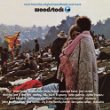
Does anyone listen to Woodstock anymore? Aside from the odd cut played on Classic Rock Radio, probably not. I doubt that anyone pulls out the vinyl to play a side or two. Did anyone buy it on CD? Has anyone played it more than once since 1971?
It’s not an album that one is “in the mood for”. What would that mood be? I feel like hearing a live album - one with lots of crowd sounds - and a lot of different bands because I happen to like them all, so a sustained mood is not what I want. There is no such mood. Not anymore, anyway.
You might put it on if you’re feeling nostalgic. Now there’s a feeling I’m not comfortable with. Neither was Neil, at least until he made Harvest Moon.
Woodstock came out in the Spring of 1970. I remember seeing it in the window of the local record store, right next to Let it Be. If the latter was telling us the sixties were officially over, we’d use the former to squeeze out whatever we still could from the decade.
As was usual, I didn’t own Woodstock, and so had to rely on friends to play it. And we’d never play it all the way through. We barely played one side all the way through. But we all loved it and listened to it incessantly that summer. But not after that.
For those reasons, it looked like it would turn into yet another of those records - my memory of which was incomplete to begin with - that would fade over the years. And, really, who wants to buy a triple album you’ve already heard before? But amazon $5 mp3s saved the day. So I downloaded it and for the first time listened to it all the way through.
After all these years it’s more or less what I expected it to be. A long-ago favorite replayed to ever so slight disappointment now. That's okay. It still brought a tear to my eye at certain points.
But even the most nostalgic among us don’t want to spend too much time dwelling on the event, which we remember with a mixture of embarrassment and wonder. We’re too jaded to embrace it wholeheartedly. Plus it was a goddamn mess and who - except those who were actually there - can imagine themselves in that environment? (My hat’s off to you if you can.)
But it was an ideal momentarily realized. For all their faults, those hippies were a lot less destructive than the supposedly better-behaved yuppies.
I’m not sure how the baby boomers who experienced it - even second hand - square it with their current politics. By revising history, I guess. It must be slightly embarrassing to those who want to remember the fun part then and say, deny climate change now. We were so much younger then, we’re older than that now.
Maybe it’s best for all concerned to limit our attention to the actual music. So let’s take a look at this big sloppy mess of an album, documenting something that couldn’t possibly have happened.
Choosing Sides:
Side One doesn’t really quite kick off until Richie Havens provides a Defining Woodstock Moment with "Freedom", which pretty much overshadows everything else here. But song for song, it’s pretty good. Just all over the place. Which, I guess, is kind of the point.
I think the theme is the Pursuit of Freedom via Drugs. What a bad idea, right? We’ve since wised up and now escape reality via prescription meds.
Side Two starts off with another DWM: "The FISH Song", of course. In 1970, I was shocked that a record would actually have that word on it.
We listened to it a lot on a friend’s stoop over the summer. One night, we had it on when someone noticed my dad approaching. He was on his way home from the corner bar and stopped to say hello - something he never did. We frantically tried to turn it off before he got to us and Country Joe got to f*ck. But in the confusion, we only succeeded in turning up the volume. He got there just as Country Joe was asking WHAT'S THAT SPELL?!?! and the crowd answered F*CK!!!. It was probably the last thing he expected to hear, and so, he didn’t.
I’m trying to imagine/remember what we were thinking at the time. We were all pretty conservative, and if pressed on our opinion of the war we would have been strongly in favor of it. And yet we could still enjoy the song without getting offended, either because of the sheer gusto of the performance or the novelty of the cuss word. Then we’d go on our conservative way. I listen to this now and get chills.
And in walks Joan Baez, who is usually a major buzzkill. But I have to hand it to her. She brought the first tear to my eye with “Joe Hill” but that may just have been because it made me think of Phil Ochs.
Neil Young contributes the weird (for CSNY, and for Neil) “Sea of Madness”. It's generally regarded as a terrible song but I've always loved it. It's probably as funky and poppy as Neil ever got, and it gives CSN a little kick in the ass. (Y was haunting CSN even then, their second gig.) It's really the only CSN song that is "new" and not a waste of space.
The theme? The War. Oh and pushing that new supergroup. Things are so different now.
Side Three starts off with “Wooden Ships” which while offering nothing new musically that the studio version didn’t already, reinforces a theme of post-apocalyptic brotherhood. And Joe Cocker re-inforces the theme.
Theme: Fellowship? What the hell is that, anyway?
Side Four consists of Santana and Ten Years After who keep the energy level high. I did have to put up with hearing how great a guitar player Alvin Lee was. Aside from Hendrix, the best one at Woodstock, people said. I wasn’t even sure he was the best guitar player on this side.
The Theme: Guitars, of course. Which are great, but politics-free, and thus the most likely to be played now.
Although Side Five kicks off with Jefferson Airplane, everyone knows it really belongs to Sly. And listening to it now, I could almost succumb to that dreaded nostalgia, it’s that powerful, Sly was able to rock a bunch of conservative white teenagers on that Brooklyn stoop. It’s truly the high point of the record. This is the side that almost gets played all the way through. What the hell is John Sebastien doing after it?
Theme: Transcendence. How silly!
Half of Side Six is given over to a badly dated and mostly forgotten “Love March” by Paul Butterfield. And even though Hendrix saves it, we were really just listening to the “Star-Spangled Banner”. A shame, since he’s on fire throughout. But Hendrix is facing up to the war, which, despite every attendee’s wish, continued after the show.
Is the theme Resignation? Or acceptance of Reality, such as it was?
For the Record:
Playing a three-record set all the way through is kind of exhausting to begin with, especially since I’ve heard it all before. If I owned it then, I could see myself doing it then, while everyone else got bored and started playing stickball, leaving me alone on that stoop. I’d be bored too, but that’s how I roll.
Once you wipe away the nostalgic haze of the sixties and the aura of the event, this holds up okay as an album, albeit one with many different artists and thus one without a consistent musical identity. There’s some music that doesn’t age well, and the crowd noise and announcements, while not helping to make a tight record, certainly help make an expansive document of an event.
And Woodstock was always about more than music. Which is why we don’t listen to it now.
B+
Showing posts with label Sly and the Family Stone. Show all posts
Showing posts with label Sly and the Family Stone. Show all posts
Saturday, September 28, 2019
Sunday, November 14, 2010
Secret History: 1971
1971, especially the summer, sticks in my mind for a number of reasons. Before going back and (re)discovering the music of the time, I’m going to look at that year strictly through the eyes of a thirteen-year-old.
All About Me(’ve):
I had just graduated from a Catholic grammar school, and would be going to a public high school, relieved to not have to deal with the Franciscan brothers that my older brother warned me about.
No sooner had we graduated and the summer begun when two of my closest friends – brothers – moved away. And my family would be going to Ireland that summer. We’d be gone for five weeks – an eternity to a thirteen year old. I’d be away from the few friends I had left.
I was also ducking my father’s direct gaze, because it would sometimes be accompanied by a demand that I get my hair cut. After all, it fell onto my forehead and lightly brushed the tops of my ears. I tried to stay one room ahead of him, but since we didn’t live in a mansion, I’d quickly run out of rooms.
While in Ireland, I obsessed over “Won’t Get Fooled Again” and “Street Fightin Man” – hit singles in Europe at the time. T-Rex was big, and I got to love “Get It On” way before people in the USA heard it.
Upon our return to the States, I found out that my pseudo-girlfriend had tired of our pseudo-relationship, and slipped into the arms of another man. Well, another thirteen-year-old, anyway. Ah, well, the whole girlfriend thing seemed a bit scary anyway. Better to stick to music.
Otherwise, it was great to be back. There seemed to be so much going on.
The Fillmore was closing. I remember hearing about all the great bands that would be playing there that weekend. There were rumors about Dylan and Clapton showing up, but, as my brother told me, “they weren’t needed”. A friend of his was there to witness the Allman Brothers Band close the place down. If the general public was puzzled by the choice of a closing band, everything would be cleared up the next year when the Allmans released one of the greatest live albums ever.
On one Saturday night in August, a local AM pop station played John Lennon’s newly released “Imagine”, in its entirety, one cut at a time. In between songs, they had listeners call in with their reactions. Could you imagine such a thing now?
Alas, it was becoming clear that, in the Good Music Wars, we were losing on the AM radio front. Girl favorites like “Billy don’t Be a Hero” and “Seasons in the Sun” were pushing us boys to the harder stuff on FM.
This might explain the popularity of Grand Funk Railroad at this time. I admit that I was tempted to dip in – they had some good songs, like “I’m Your Captain” - but never did. Looking back, I’m not sure I missed anything.
Aside from the Jackson Five and the Temptations, Motown had somehow lost its appeal, too. I attribute this as much to the audience as to the music. Boundaries – musical and otherwise – were tightening.
My friends and I made a trip to the record store right before school started. Somebody picked up “Who’s Next”. Another got Santana’s “Abraxas”. We heard these records for the first time sitting on his stoop. I had to satisfy myself with Creedence’s latest single, “Sweet Hitchhiker”. (It could’ve been worse. I could have bought the album, generally considered their worst.)
I also picked up a book called “A Child's Garden of Grass” by I forget who, which was a manifesto on smoking pot. It was just like me to read about the stuff that everybody else was actually doing. Earlier that summer, I had gotten Bob Dylan’s first book, “Tarantula”, which I understand even less now than I did at the time.
But enough about me. What have I found in that year that I didn’t notice at the time?
Ringers:
Is there anyone out there who still doesn’t know that Joni Mitchell’s “Blue” is a great record? No, really. (Mrs. Jaybee disagrees ‘cause she can’t stand the voice. I admit it takes a bit getting used to, but it’s worth it.) The songwriting’s top notch: “River”, “The Last Time I saw Richard”, “A Case of You” and my favorite, “Little Green”.
Cat Stevens is in his mid twenties, but sounds a thousand years old on “Tea for the Tillerman”. So he’s a bit of a buzzkill, which explains why he’d peace out and find religion after a while. But man, I love this record, my favorite song being the intensely quiet “Into White”.
Happy Surprises:
When not playing with Neil Young, Crazy Horse managed to put it together for one album. Hey, they had Danny Whitten, Nils Lofgren and Jack Neitchze contributing. All the drugs in the world couldn’t stop one good album from coming out of this. Big brother hated it, though. (link)
The first New Riders of the Purple Sage album is a wee bit lightweight, mostly because of Marmaduke’s vocals, but very tuneful nonetheless. It’s also way better than their subsequent records. Bad records happen when Jerry Garcia leaves your band. But this first one is as good as it seemed at the time.
Singer/songwriters:
Gordon Lightfoot’s “Summer Side of Life” isn’t consistently great but it’s got some real beauties on it, like the title song, which, if it doesn’t make you cry, means you’re not quite alive.
John Sebastian was acting like the 60s never ended on "Live", and more power to him. He and the audience are having the time of their lives. He mixes in Spoonful favorites along with folk and blues classics. Wow, talk about a moment in time.
It would be easy to dismiss Elton John’s “Tumbleweed Connection” as just another EJ album, and a country themed one at that, if there weren’t so many good songs on it. “My Father’s Gun”, “Burn Down the Mission”, “Amoreena”, “Come Down in Time” and "Where to Now, St. Peter" have the greatest staying power for me. If he was a baseball player, he’d get the award for most at bats, and a great on base percentage.
After “Everybody’s Talkin’”, but before he started rubbing shoulders with John Lennon and jumping into the fire, Harry Nilsson made “The Point”, a lovely little fable about a boy named Oblio who lived in the land of Point. It would later be made into a cartoon. It’s right up there with his best records.
Survivors:
The old timers - the ones that were still left, that is - still kept coming up with the goods, if not the greats. No one would call “Surf’s Up” their favorite Beach Boys album, unless they weren’t Beach Boy fans to begin with. It’s too cute by half, but then again, it’s got treasures like “Until I Die” and “Disney Girls”.
On “Muswell Hillbillies”, the Kinks are slowly losing steam, which is ironic since they keep adding the brass. There are some great songs on this record, like“20th Century Man” and “Oklahoma USA”. For a lot of other bands, this would be a career album, but for the Kinks, only good.
The Great Ones:
John Prine’s self titled first album is a quiet masterpiece. The front cover couldn’t be less assuming. There’s Prine sitting on a bail of hay. But the sly devil is actually sitting on a pile of great songs. He may have been the most deserving of those given the title of "The New Dylan". He’d be rivaled only by Neil Young in his ability to churn out great songs using the same three chords
Quiet in a more ominous way, Sly and the Family Stone’s “There's a Riot Going On” let down a lot of people who wanted more of the positive, energetic music Sly was known for up to that point. It’s in the same universe as Neil Young’s “Tonight’s the Night” and Big Star’s “Third”. Heroin hovers over it like an angel from hell.
New Frontiers:
Man, John McLaughlin (Not my old grammar school classmate. He’s a good guy.) used to piss me off. How could I keep insisting that Eric Clapton was, as I put it "the best guitar player of all time" when McLaughlin was playing like this? The Mahavishnu Orchestra’s “The Innermounting Flame” is very intense. There's a bit of dopey violin playing, and Jan Hammer is good for a giggle now and then, but overall this is jazz disguised as hard rock music (or vice versa), if not rock and roll, exactly.
And I feel I have to add a category called
Not as awful as they may seem now:
Does anyone like Emerson, Lake and Palmer anymore? I wonder. C’mon now, they weren’t that bad. There first record has some pretty nice things on it, like “Take a Pebble” and “Lucky Man”, but the rest of it is very pretenscious and thus deserving of some ridicule. As Monty Python would say, very, very silly.
“Stephen Stills 2”’s badness first comes out of sheer boredom, and egregious taste. Did anyone even put the record on before regretting that they got it? (Don’t look at me, I only paid $2.) I guess we all got through the first listen, and then put it away for a while. When you try it out later, having dragged your expectations way way down, it doesn’t seem so bad. And how can you not like, “Change Partners” and “Mary Anne”? I even like the spoken word “Word Games”. But the rest just disappears upon impact. Along with the Kinks, Stills shouldn't be allowed near a brass section. You might enjoy it a bit while it's on, but when it’s over, you'd probably wish you put on a better record instead.
And in case you conclude I’m an idiot, here’s allmusic’s take on the year.
I'll admit they know a thing or two...
All About Me(’ve):
I had just graduated from a Catholic grammar school, and would be going to a public high school, relieved to not have to deal with the Franciscan brothers that my older brother warned me about.
No sooner had we graduated and the summer begun when two of my closest friends – brothers – moved away. And my family would be going to Ireland that summer. We’d be gone for five weeks – an eternity to a thirteen year old. I’d be away from the few friends I had left.
I was also ducking my father’s direct gaze, because it would sometimes be accompanied by a demand that I get my hair cut. After all, it fell onto my forehead and lightly brushed the tops of my ears. I tried to stay one room ahead of him, but since we didn’t live in a mansion, I’d quickly run out of rooms.
While in Ireland, I obsessed over “Won’t Get Fooled Again” and “Street Fightin Man” – hit singles in Europe at the time. T-Rex was big, and I got to love “Get It On” way before people in the USA heard it.
Upon our return to the States, I found out that my pseudo-girlfriend had tired of our pseudo-relationship, and slipped into the arms of another man. Well, another thirteen-year-old, anyway. Ah, well, the whole girlfriend thing seemed a bit scary anyway. Better to stick to music.
Otherwise, it was great to be back. There seemed to be so much going on.
The Fillmore was closing. I remember hearing about all the great bands that would be playing there that weekend. There were rumors about Dylan and Clapton showing up, but, as my brother told me, “they weren’t needed”. A friend of his was there to witness the Allman Brothers Band close the place down. If the general public was puzzled by the choice of a closing band, everything would be cleared up the next year when the Allmans released one of the greatest live albums ever.
On one Saturday night in August, a local AM pop station played John Lennon’s newly released “Imagine”, in its entirety, one cut at a time. In between songs, they had listeners call in with their reactions. Could you imagine such a thing now?
Alas, it was becoming clear that, in the Good Music Wars, we were losing on the AM radio front. Girl favorites like “Billy don’t Be a Hero” and “Seasons in the Sun” were pushing us boys to the harder stuff on FM.
This might explain the popularity of Grand Funk Railroad at this time. I admit that I was tempted to dip in – they had some good songs, like “I’m Your Captain” - but never did. Looking back, I’m not sure I missed anything.
Aside from the Jackson Five and the Temptations, Motown had somehow lost its appeal, too. I attribute this as much to the audience as to the music. Boundaries – musical and otherwise – were tightening.
My friends and I made a trip to the record store right before school started. Somebody picked up “Who’s Next”. Another got Santana’s “Abraxas”. We heard these records for the first time sitting on his stoop. I had to satisfy myself with Creedence’s latest single, “Sweet Hitchhiker”. (It could’ve been worse. I could have bought the album, generally considered their worst.)
I also picked up a book called “A Child's Garden of Grass” by I forget who, which was a manifesto on smoking pot. It was just like me to read about the stuff that everybody else was actually doing. Earlier that summer, I had gotten Bob Dylan’s first book, “Tarantula”, which I understand even less now than I did at the time.
But enough about me. What have I found in that year that I didn’t notice at the time?
Ringers:
Is there anyone out there who still doesn’t know that Joni Mitchell’s “Blue” is a great record? No, really. (Mrs. Jaybee disagrees ‘cause she can’t stand the voice. I admit it takes a bit getting used to, but it’s worth it.) The songwriting’s top notch: “River”, “The Last Time I saw Richard”, “A Case of You” and my favorite, “Little Green”.
Cat Stevens is in his mid twenties, but sounds a thousand years old on “Tea for the Tillerman”. So he’s a bit of a buzzkill, which explains why he’d peace out and find religion after a while. But man, I love this record, my favorite song being the intensely quiet “Into White”.
Happy Surprises:
When not playing with Neil Young, Crazy Horse managed to put it together for one album. Hey, they had Danny Whitten, Nils Lofgren and Jack Neitchze contributing. All the drugs in the world couldn’t stop one good album from coming out of this. Big brother hated it, though. (link)
The first New Riders of the Purple Sage album is a wee bit lightweight, mostly because of Marmaduke’s vocals, but very tuneful nonetheless. It’s also way better than their subsequent records. Bad records happen when Jerry Garcia leaves your band. But this first one is as good as it seemed at the time.
Singer/songwriters:
Gordon Lightfoot’s “Summer Side of Life” isn’t consistently great but it’s got some real beauties on it, like the title song, which, if it doesn’t make you cry, means you’re not quite alive.
John Sebastian was acting like the 60s never ended on "Live", and more power to him. He and the audience are having the time of their lives. He mixes in Spoonful favorites along with folk and blues classics. Wow, talk about a moment in time.
It would be easy to dismiss Elton John’s “Tumbleweed Connection” as just another EJ album, and a country themed one at that, if there weren’t so many good songs on it. “My Father’s Gun”, “Burn Down the Mission”, “Amoreena”, “Come Down in Time” and "Where to Now, St. Peter" have the greatest staying power for me. If he was a baseball player, he’d get the award for most at bats, and a great on base percentage.
After “Everybody’s Talkin’”, but before he started rubbing shoulders with John Lennon and jumping into the fire, Harry Nilsson made “The Point”, a lovely little fable about a boy named Oblio who lived in the land of Point. It would later be made into a cartoon. It’s right up there with his best records.
Survivors:
The old timers - the ones that were still left, that is - still kept coming up with the goods, if not the greats. No one would call “Surf’s Up” their favorite Beach Boys album, unless they weren’t Beach Boy fans to begin with. It’s too cute by half, but then again, it’s got treasures like “Until I Die” and “Disney Girls”.
On “Muswell Hillbillies”, the Kinks are slowly losing steam, which is ironic since they keep adding the brass. There are some great songs on this record, like“20th Century Man” and “Oklahoma USA”. For a lot of other bands, this would be a career album, but for the Kinks, only good.
The Great Ones:
John Prine’s self titled first album is a quiet masterpiece. The front cover couldn’t be less assuming. There’s Prine sitting on a bail of hay. But the sly devil is actually sitting on a pile of great songs. He may have been the most deserving of those given the title of "The New Dylan". He’d be rivaled only by Neil Young in his ability to churn out great songs using the same three chords
Quiet in a more ominous way, Sly and the Family Stone’s “There's a Riot Going On” let down a lot of people who wanted more of the positive, energetic music Sly was known for up to that point. It’s in the same universe as Neil Young’s “Tonight’s the Night” and Big Star’s “Third”. Heroin hovers over it like an angel from hell.
New Frontiers:
Man, John McLaughlin (Not my old grammar school classmate. He’s a good guy.) used to piss me off. How could I keep insisting that Eric Clapton was, as I put it "the best guitar player of all time" when McLaughlin was playing like this? The Mahavishnu Orchestra’s “The Innermounting Flame” is very intense. There's a bit of dopey violin playing, and Jan Hammer is good for a giggle now and then, but overall this is jazz disguised as hard rock music (or vice versa), if not rock and roll, exactly.
And I feel I have to add a category called
Not as awful as they may seem now:
Does anyone like Emerson, Lake and Palmer anymore? I wonder. C’mon now, they weren’t that bad. There first record has some pretty nice things on it, like “Take a Pebble” and “Lucky Man”, but the rest of it is very pretenscious and thus deserving of some ridicule. As Monty Python would say, very, very silly.
“Stephen Stills 2”’s badness first comes out of sheer boredom, and egregious taste. Did anyone even put the record on before regretting that they got it? (Don’t look at me, I only paid $2.) I guess we all got through the first listen, and then put it away for a while. When you try it out later, having dragged your expectations way way down, it doesn’t seem so bad. And how can you not like, “Change Partners” and “Mary Anne”? I even like the spoken word “Word Games”. But the rest just disappears upon impact. Along with the Kinks, Stills shouldn't be allowed near a brass section. You might enjoy it a bit while it's on, but when it’s over, you'd probably wish you put on a better record instead.
And in case you conclude I’m an idiot, here’s allmusic’s take on the year.
I'll admit they know a thing or two...
Sunday, July 27, 2008
The All-Nighter
Whenever I get a few days in a row off from work, I tell myself that somewhere in the middle of it, I’ll pull an all-nighter. This is a hell of a thing to pull off at fifty. So why do it, you ask? I don’t know. To pretend that my body and mind still work independent of normal waking hours when I feel like it? I already know it’s not true, and it makes me pretty useless for the next several days. Whatever my motivation, I know I’ll need a soundtrack for it.
Going out drinking with buddies doesn’t count. It involves too much fun and comradery, giving the night it’s own momentum. And that’s what the jukebox is for, anyway.
I’m referring to the nights that are sugar or caffeine inspired, “dark night of the soul” or at least “I need to be alone” time. So what can you put on at those times that won’t be too up and cheerful, but also have enough musical interest to make your all-nighter unique? And which records risk a consistency of tone that might not be immediately inviting, but that will sustain you through literally dark times?
The answer has been different, depending on the medium. Back when we had vinyl and used record changers, you could stack up six sides on top of each other and just let them rip for a couple of hours. Of course, when we all became more responsible about our records (as opposed to our bodies) we used turntables, which only allowed you to play one record - and one side for that matter - at a time. Whatever it was you were doing, you had to stop every twenty minutes or so, and change the side.
But one advantage LPs had over CDs was that when you were dealing with a schizophrenic record – one whose first and second sides are drastically different - you could put on just the side that fit the mood. Some examples are:
- “Sad Eyed Lady of the
- “Dark Star” by the Grateful Dead, which is Side 1 of “Live/Dead.” There are probably a dozen other Dead sides that would do the trick, but this one’s my favorite.
- “On the Beach” (Side 2) by Neil Young
- “Before and After Science” (Side 2), Brian Eno
- “Low” (Side 2), David Bowie
- “Heroes” (Side 2), David Bowie
- “There’s a Riot Going On” by Sly and the Family Stone
- “Third” by Big Star
- “Tonight’s the Night” by Neil Young
- “Second Edition” by Public Image, Ltd.
- “Communique” by Dire Straits
- “Closer” Joy Division
- “Another Green World” by Brian Eno
- “Ambient Works, Vol. II” by Aphex Twin (also good for depressions)
- “The
- “In a
- “Adventure” by Television

Sunday, January 20, 2008
Neil Young’s Blue Period, or Why “Tonight’s the Night” is Better Than “Harvest”
I ran into a friend in late 1978, a short time after Neil Young released “Comes a Time”, and we both agreed that it was great that Neil had finally come out with another pretty record. It had been a long time since “Harvest”, and we just didn’t get that other stuff he was doing for a while… I guess I’ve changed my mind since then.
Don’t get me wrong. I like pretty. I’ll even tolerate pretty but dumb, but not pretty and offensively dumb. This is not a philosophical quibble. Who wants to be around the perkiest person in the room? After a while, you want to punch them in the face. The miserable bastard, however, is great to be around when he’s in a good mood. That‘s why my favorite pretty Neil Young record is, well, “Comes a Time”, but later for that.
Neil went from being an FM darling to a hit maker (only one, really – “Heart of Gold”) to an FM darling that everyone was hoping would produce another hit. His fans were extraordinarily patient, and he used to drive them crazy at concerts by playing whatever the hell he felt like – usually brand new or unreleased stuff - to the exclusion of what people may have come to hear.
But are we talking about his CSNY songs? Not really. Buffalo Springfield? As great as they were, most of his fans by now thought that they were the band that Paul McCartney was in before Wings. So that left his solo stuff. His first record was good but the only one people remembered from it was “The Loner”. “Everybody Knows This is Nowhere” was sharper, and came out when long guitar solos were still big. It didn’t hurt that the songs were really good. They get even better on “After the Goldrush”. And even though there’s less guitar, it’s still clear as a bell and very, very soulful, even in the quiet parts.
Obviously “Harvest” was very popular, but I wonder how many people loved it. It’s certainly got some good songs (“Old Man”, “Needle and the Damage Done” and “Harvest”) but the rest of it is kind of bland. I just hear a lot of pedal steel, or worse, orchestras. When it wasn’t serious, it was awfully mellow. Okay, that’s enough to make a lot of people happy, and it was such a hit that it would give him the momentum to go off the beaten path for a while without suffering too much commercially.
Without going into the exact order of events, let’s say that life pointed Neil Young the artist towards a darker side, which he explored over several records with no hits on them. People kept buying them because Neil was the Great White Hope before people knew they were looking for one. (What were they going to do, buy Steven Stills records?) Then Springsteen came along, and Neil was off the hook.
But here’s a reminder of what he accomplished while he was off the beaten path:
Time Fades Away
Time Fades Away
A live album of all new material, it’s not quite a great album, but it is quite good. It’s also the first clear indication that Neil was turning his back on slickness. He’s also keeping a firmer grip on rock and roll, which, frankly, was becoming more problematic for those who preferred CSN to Y. By now, Danny Whitten, the guitarist from Crazy Horse, is dead, so Neil uses Ben Keith on pedal steel. But this time around, instead of sentimentality, it conveys chaos and desperation.
Tonight's the Night
Tonight’s the Night
A dark night of the soul, and not a good place to be for very long, but it’s his best record. “New Mama” is as beautiful as anything he’s ever done. “Albequerque” sums up his take on stardom. “Roll Another Number” disposes of Woodstock in the space of a verse. “Tired Eyes” is the climax, and Neil’s rarely done a record as soulful, even if he and the band don’t hit all the right notes. “Mellow My Mind” is the dark heart of the record. “World on a String” is so primal that it’s hard to believe it was done in the Have a Nice Day Seventies. (Neil wasn’t the only one exploring this territory, though. There’s also Sly Stone’s “There’s a Riot Goin’ On” and Big Star’s “Third”. Don’t listen to these records all at the same time.) It’s understandable why a lot of people didn’t like Tonight’s the Night when it came out. It definitely wasn’t pretty. Not lazy, either – drunk yes, but lazy no. And in 1975, when most of us were moving away from rock and roll, this record lands squarely in it.
On the Beach
On the Beach
A strange experiment. Nothing here is quite right. A fairly straightforward rocker, like “Walk On” gets a little goose from a slide guitar. “See the Sky About to Rain”, done better both by the Byrds, and Neil himself on solo piano on a very powerful bootlegged live version, is kind of anesthetized here. The rest of side one is not bad. It’s kind of funny, weird and topical. But it’s really side two that gives off the eerie glow. “On the Beach” and “Motion Pictures” are slow, quiet and hypnotic, if you give them a chance. “Ambulance Blues”, on the other hand, doesn’t care if you like it or not, and it’s one of his greatest songs. It’s late night music. Actually recorded after, but released before “Tonight’s the Night”, it’s like the hangover after a particularly nasty binge.
Zuma
Zuma:
Most of his demon’s exorcized (but not the misogynist one), Neil reforms Crazy Horse and plays it straight, for him, anyway. I prefer “Danger Bird” to “Cortez the Killer”, which is saying something. “Barstool Blues”, “Pardon My Heart”, “Lookin’ for a Love” and “Through My Sails” are all great. As loud as it can sometimes get, it still strikes me as one of his calmest records. Was Neil in rehab? I doubt it.
American Stars 'N Bars (Reissue)
American Stars and Bars:
Neil seems to be gathering strength here. Half a new album (“Hey Babe”) and half bits and pieces lying around “Like a Hurricane”, “Star of Bethlehem”. Only with Neil will the bits and pieces be better. The other gems are “Bite the Bullet” and the great , strange “Will to Love”.
Decade
Decade:
This is one of the few triple disc sets that I could listen to all the way through. (I think it fits on two CDs though). It skimps a bit on the dark side, but makes up for it with the previously unreleased stuff (“Deep Forbidden Lake”, “Winterlong”, “Campaigner”). Plus it’s got almost all of his best songs from Buffalo Springfield.
Comes A Time
Comes a Time:
The cover shows a smiling, older and wiser-looking Neil. You know by now that he’s been through hell, so the simple melodic beauty is breathtaking. It’s as though he’s saying You want pretty? I’ll give you pretty. I’m better at it than anyone else! And he’s right.
So it’s a happy ending, if you see “Rust Never Sleeps” as a vindication, which it is. And although the rest of his career is uneven to say the least, it's also very interesting. But we probably agree on that. My point is that you may not appreciate the above records, even though you probably own a lot of them already. So go down to the basement and get them out! I think you’ll find they are like antique furniture that may have not looked as pretty as new furniture at the time. But a lot of that other stuff is looking awfully tacky now, whereas Neil's has stood the test of time.
Don’t get me wrong. I like pretty. I’ll even tolerate pretty but dumb, but not pretty and offensively dumb. This is not a philosophical quibble. Who wants to be around the perkiest person in the room? After a while, you want to punch them in the face. The miserable bastard, however, is great to be around when he’s in a good mood. That‘s why my favorite pretty Neil Young record is, well, “Comes a Time”, but later for that.
Neil went from being an FM darling to a hit maker (only one, really – “Heart of Gold”) to an FM darling that everyone was hoping would produce another hit. His fans were extraordinarily patient, and he used to drive them crazy at concerts by playing whatever the hell he felt like – usually brand new or unreleased stuff - to the exclusion of what people may have come to hear.
But are we talking about his CSNY songs? Not really. Buffalo Springfield? As great as they were, most of his fans by now thought that they were the band that Paul McCartney was in before Wings. So that left his solo stuff. His first record was good but the only one people remembered from it was “The Loner”. “Everybody Knows This is Nowhere” was sharper, and came out when long guitar solos were still big. It didn’t hurt that the songs were really good. They get even better on “After the Goldrush”. And even though there’s less guitar, it’s still clear as a bell and very, very soulful, even in the quiet parts.
Obviously “Harvest” was very popular, but I wonder how many people loved it. It’s certainly got some good songs (“Old Man”, “Needle and the Damage Done” and “Harvest”) but the rest of it is kind of bland. I just hear a lot of pedal steel, or worse, orchestras. When it wasn’t serious, it was awfully mellow. Okay, that’s enough to make a lot of people happy, and it was such a hit that it would give him the momentum to go off the beaten path for a while without suffering too much commercially.
Without going into the exact order of events, let’s say that life pointed Neil Young the artist towards a darker side, which he explored over several records with no hits on them. People kept buying them because Neil was the Great White Hope before people knew they were looking for one. (What were they going to do, buy Steven Stills records?) Then Springsteen came along, and Neil was off the hook.
But here’s a reminder of what he accomplished while he was off the beaten path:
Time Fades Away
Time Fades Away
A live album of all new material, it’s not quite a great album, but it is quite good. It’s also the first clear indication that Neil was turning his back on slickness. He’s also keeping a firmer grip on rock and roll, which, frankly, was becoming more problematic for those who preferred CSN to Y. By now, Danny Whitten, the guitarist from Crazy Horse, is dead, so Neil uses Ben Keith on pedal steel. But this time around, instead of sentimentality, it conveys chaos and desperation.
Tonight's the Night
Tonight’s the Night
A dark night of the soul, and not a good place to be for very long, but it’s his best record. “New Mama” is as beautiful as anything he’s ever done. “Albequerque” sums up his take on stardom. “Roll Another Number” disposes of Woodstock in the space of a verse. “Tired Eyes” is the climax, and Neil’s rarely done a record as soulful, even if he and the band don’t hit all the right notes. “Mellow My Mind” is the dark heart of the record. “World on a String” is so primal that it’s hard to believe it was done in the Have a Nice Day Seventies. (Neil wasn’t the only one exploring this territory, though. There’s also Sly Stone’s “There’s a Riot Goin’ On” and Big Star’s “Third”. Don’t listen to these records all at the same time.) It’s understandable why a lot of people didn’t like Tonight’s the Night when it came out. It definitely wasn’t pretty. Not lazy, either – drunk yes, but lazy no. And in 1975, when most of us were moving away from rock and roll, this record lands squarely in it.
On the Beach
On the Beach
A strange experiment. Nothing here is quite right. A fairly straightforward rocker, like “Walk On” gets a little goose from a slide guitar. “See the Sky About to Rain”, done better both by the Byrds, and Neil himself on solo piano on a very powerful bootlegged live version, is kind of anesthetized here. The rest of side one is not bad. It’s kind of funny, weird and topical. But it’s really side two that gives off the eerie glow. “On the Beach” and “Motion Pictures” are slow, quiet and hypnotic, if you give them a chance. “Ambulance Blues”, on the other hand, doesn’t care if you like it or not, and it’s one of his greatest songs. It’s late night music. Actually recorded after, but released before “Tonight’s the Night”, it’s like the hangover after a particularly nasty binge.
Zuma
Zuma:
Most of his demon’s exorcized (but not the misogynist one), Neil reforms Crazy Horse and plays it straight, for him, anyway. I prefer “Danger Bird” to “Cortez the Killer”, which is saying something. “Barstool Blues”, “Pardon My Heart”, “Lookin’ for a Love” and “Through My Sails” are all great. As loud as it can sometimes get, it still strikes me as one of his calmest records. Was Neil in rehab? I doubt it.
American Stars 'N Bars (Reissue)
American Stars and Bars:
Neil seems to be gathering strength here. Half a new album (“Hey Babe”) and half bits and pieces lying around “Like a Hurricane”, “Star of Bethlehem”. Only with Neil will the bits and pieces be better. The other gems are “Bite the Bullet” and the great , strange “Will to Love”.
Decade
Decade:
This is one of the few triple disc sets that I could listen to all the way through. (I think it fits on two CDs though). It skimps a bit on the dark side, but makes up for it with the previously unreleased stuff (“Deep Forbidden Lake”, “Winterlong”, “Campaigner”). Plus it’s got almost all of his best songs from Buffalo Springfield.
Comes A Time
Comes a Time:
The cover shows a smiling, older and wiser-looking Neil. You know by now that he’s been through hell, so the simple melodic beauty is breathtaking. It’s as though he’s saying You want pretty? I’ll give you pretty. I’m better at it than anyone else! And he’s right.
So it’s a happy ending, if you see “Rust Never Sleeps” as a vindication, which it is. And although the rest of his career is uneven to say the least, it's also very interesting. But we probably agree on that. My point is that you may not appreciate the above records, even though you probably own a lot of them already. So go down to the basement and get them out! I think you’ll find they are like antique furniture that may have not looked as pretty as new furniture at the time. But a lot of that other stuff is looking awfully tacky now, whereas Neil's has stood the test of time.
Subscribe to:
Posts (Atom)